Home / Genomic Tests / IHC Testing
IMMUNOHISTOCHEMISTRY

See the proteins.
Expand the picture.

IHC testing adds an important layer of information to solid tumor profiling.

Explore protein biomarkers that may help inform treatment decisions, alongside GTC’s DNA and RNA testing.

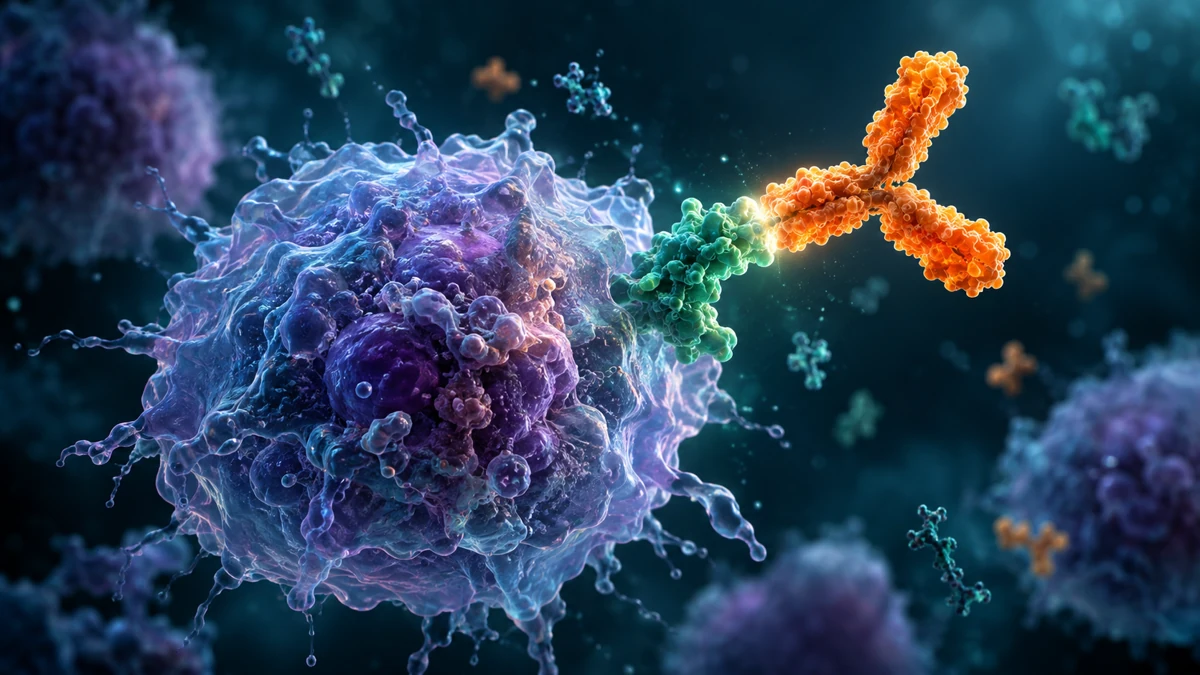
Conceptual illustration of an antibody interacting with a tumor cell
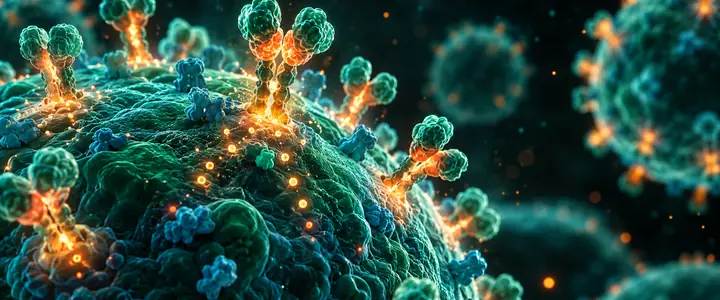
Conceptual molecular illustration.
EXPLOREIHC markersIHC + DNA & RNAOrderingFAQs
FOUR BIOMARKERS

See the markers that matter.

GTC offers IHC for PD-L1, FOLR1, CLDN.18 and MET. Select the marker relevant to your patient’s cancer and clinical question.

PD-L1

IMMUNE CHECKPOINT
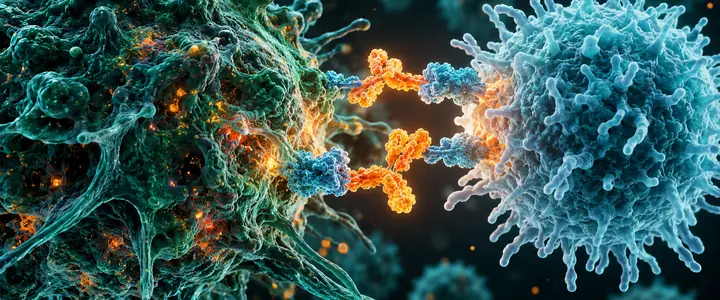
Measures PD-L1 protein expression in tumor and/or immune cells, depending on the assay and indication.

Clinical context

May inform the use of certain immune checkpoint inhibitors in eligible cancers.

View clinical details

Scoring: Tumor proportion score (TPS) and combined positive score (CPS) are used in different clinical settings. The appropriate assay, score and threshold depend on the cancer type and treatment.

Clinical use: PD-L1 results can inform immunotherapy decisions in selected indications; a result is interpreted with the relevant drug label and clinical context.

FDA assay and scoring examples ↗
FOLR1

FOLATE RECEPTOR ALPHA

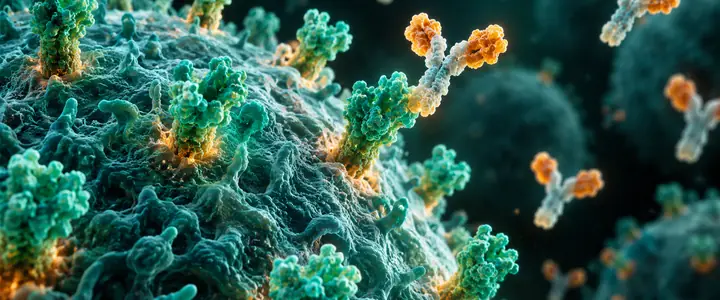
Evaluates folate receptor alpha expression in tumor tissue.

Clinical context

May help identify eligible patients for folate receptor alpha–directed therapy, including mirvetuximab soravtansine.

View clinical details

Where it matters: Folate receptor alpha (FRα) expression is relevant in platinum-resistant epithelial ovarian, fallopian tube and primary peritoneal cancers.

Treatment context: Mirvetuximab soravtansine-gynx (ELAHERE®) is approved for a defined FRα-positive population after one to three prior systemic regimens, with selection based on an FDA-approved test.

FDA treatment information ↗

CLDN.18

CLAUDIN 18

Evaluates claudin 18 expression in tumor tissue.

Clinical context

CLDN18.2 testing can help identify eligible patients for zolbetuximab in the appropriate gastric or gastroesophageal junction cancer setting. Confirm the isoform evaluated by the requested assay.

View clinical details

Marker distinction: CLDN18.2 is a specific isoform of claudin 18. Confirm that the requested assay specifically evaluates CLDN18.2.

Treatment context: Zolbetuximab-clzb (VYLOY®), with chemotherapy, is approved for a defined first-line population with CLDN18.2-positive, HER2-negative, advanced gastric or gastroesophageal junction adenocarcinoma. Selection requires an FDA-approved test.

FDA treatment information ↗

MET

MET PROTEIN

Evaluates MET protein expression in tumor tissue.

Clinical context

May help identify patients with eligible non-small cell lung cancer for MET-directed therapy, including telisotuzumab vedotin.

View clinical details

What this measures: MET IHC evaluates protein expression. MET protein overexpression is distinct from MET amplification or MET exon 14 skipping assessed by molecular methods.

Treatment context: Telisotuzumab vedotin-tllv (EMRELIS®) has accelerated approval for a defined, previously treated advanced nonsquamous NSCLC population with high c-MET protein overexpression, as determined by an FDA-approved test.

FDA approval information ↗

Conceptual molecular illustrations; not actual IHC staining or patient specimens.

What will the report include? Contact GTC to confirm the assay or clone, scoring method, specimen requirements and how results are reported for each marker. Confirm whether the specific assay is an FDA-approved companion diagnostic for the intended therapy.
Treatment eligibility depends on cancer type, assay, scoring thresholds and the current therapy label. Confirm the specific IHC clone, scoring method and intended use with GTC before ordering.
A MORE COMPLETE VIEW

Protein expression meets molecular profiling.

IHC and next-generation sequencing answer different questions. Together, they can help clinicians evaluate a broader range of biomarkers.

IHC

What proteins are expressed?

IHC uses antibodies to assess selected proteins in tumor tissue, providing information about the presence and pattern of expression.

DNA + RNA

What is happening at the molecular level?

Solid Tumor Profile Plus evaluates DNA alterations and RNA signals, including fusions, gene expression and selected splice variants.

IHC results and RNA expression are distinct measurements and are interpreted in their own clinical and assay context.

Explore Solid Tumor Profile Plus ↗
ORDERING IHC

One workflow. More insight.

GTC’s current IHC page describes ordering IHC alongside Solid Tumor Profile Plus. Contact client services to confirm testing and specimen requirements for your case.

01 / SELECT

Choose your markers

Identify the requested IHC markers based on the tumor type and clinical question.

02 / ORDER

Complete the requisition

Choose the applicable IHC add-ons with your Solid Tumor Profile Plus order.

03 / CONNECT

Coordinate the specimen

Confirm tissue requirements, available material and shipping instructions with GTC.

QUESTIONS & ANSWERS

Frequently asked questions

Can I order IHC with Solid Tumor Profile Plus?

GTC’s current IHC page describes IHC as an option when ordering Solid Tumor Profile Plus. Contact client services for current ordering options.

Is an IHC result the same as RNA expression?

No. IHC assesses protein expression in tissue; RNA testing measures transcripts. Their results have distinct uses and should be interpreted in context.

What specimen is needed?

Contact GTC to confirm specimen and slide requirements for the requested IHC markers and any accompanying molecular testing.

Does a positive result guarantee access to treatment?

No. Treatment selection depends on cancer type, the assay and result, prior treatments, the applicable therapy label and the treating clinician’s judgment.

Bring more clarity to your next case.

Talk with GTC about IHC and solid tumor testing.

Call 866-484-8870